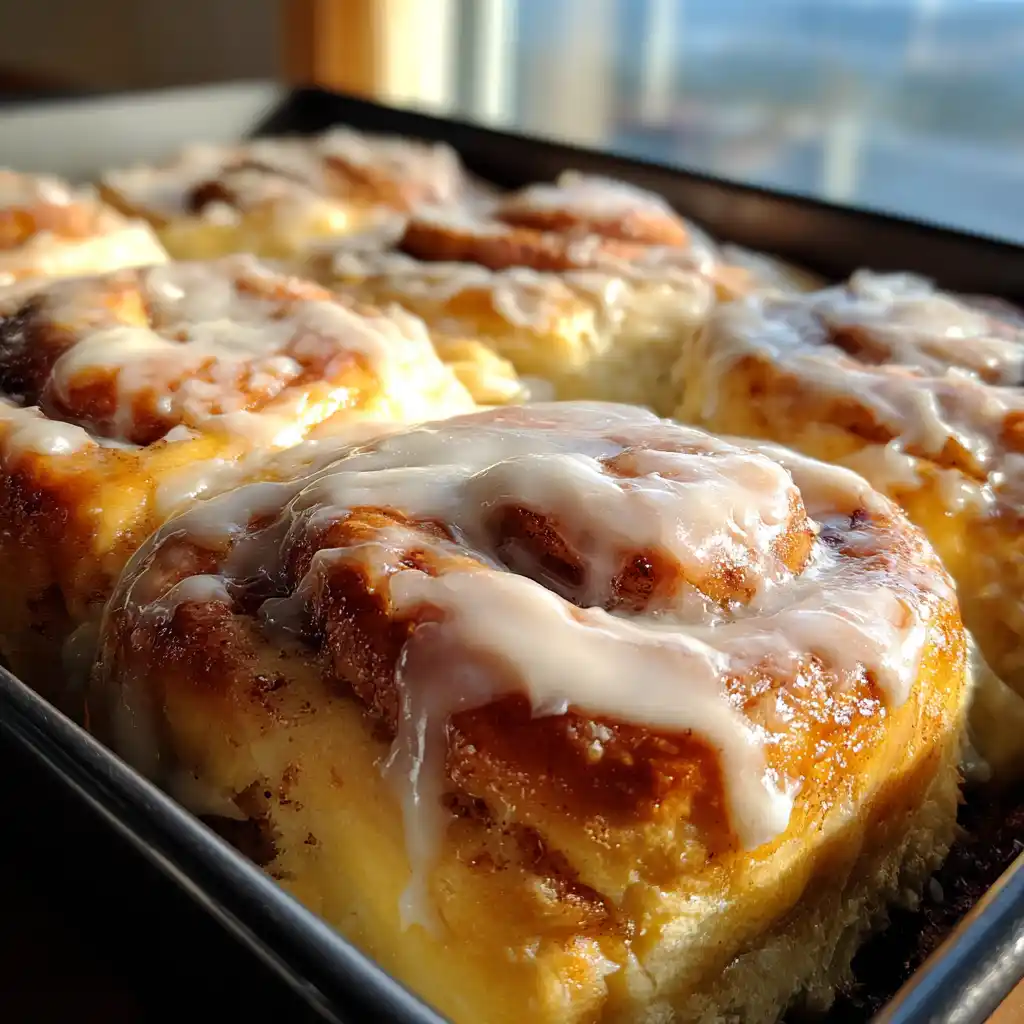
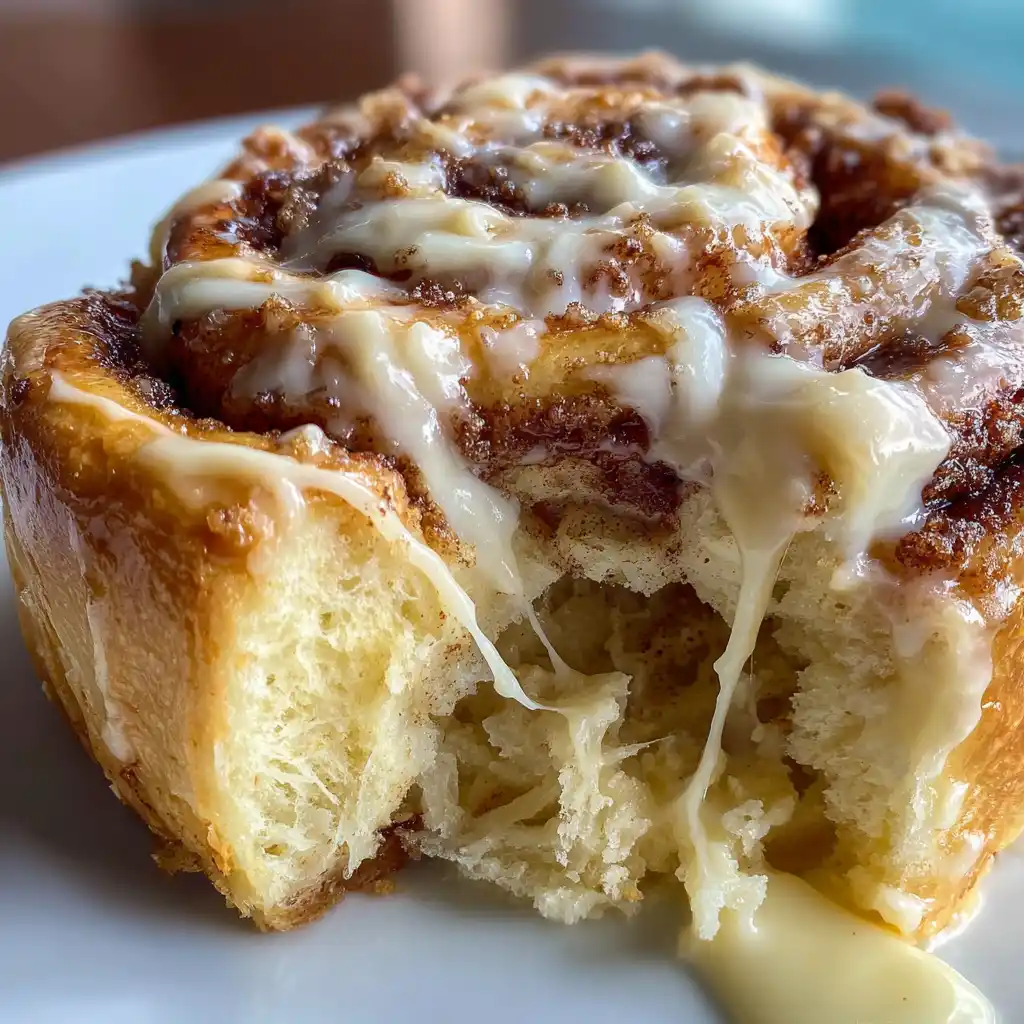
Soft, fluffy spirals filled with buttery brown sugar and cinnamon, finished with a smooth cream cheese frosting that melts over the warm tops.
The quick answer
For truly soft Cinnamon Rolls, keep the dough slightly tacky, let it rise until doubled, use softened—not melted—butter in the filling, and bake only until the tops are lightly golden. The hands-on work takes about 30 minutes; the rest is mostly rising and baking time.
Soft, fluffy Cinnamon Rolls with a buttery brown sugar and cinnamon filling are one of those homemade breakfasts that feel special without requiring complicated ingredients. These rolls bake up tender and pillowy, with sweet cinnamon spirals running through every layer and a creamy frosting that softens slightly over the warm tops.
This recipe uses a simple yeast dough enriched with milk, butter, egg and sugar. The dough stays soft while remaining sturdy enough to roll and shape. A generous cinnamon-brown sugar filling gives every roll plenty of flavor, while the cream cheese frosting adds a smooth, lightly tangy finish.
Make them for a weekend breakfast, holiday brunch, family gathering or a make-ahead morning treat. Most of the total time is hands-off while the dough rises.
“The biggest secret to soft cinnamon rolls is resisting the temptation to keep adding flour. A soft, slightly tacky dough gives you the light, tender texture you want after baking.”Skyler Recipes Team
Why You’ll Love These Cinnamon Rolls
Soft and fluffy. Warm milk, butter and egg create a tender enriched dough.
Plenty of filling. Brown sugar and cinnamon flavor every spiral.
Beginner-friendly. Clear visual cues make the yeast dough easier to judge.
Make-ahead ready. Shape the rolls at night and bake them the next morning.
Simple frosting. Cream cheese brings a smooth, gently tangy finish.
No stand mixer required. The dough can be mixed and kneaded entirely by hand.
Cinnamon Rolls at a Glance
Plan on approximately 2½–3 hours from start to finish, including both rises. Yeast works according to temperature, so use the appearance and volume of the dough as your main guide.
A lightly greased 9 × 13-inch baking dish gives the 12 shaped rolls enough space to expand into soft pull-apart spirals.
Ingredients for Homemade Cinnamon Rolls
Measure the flour carefully and bring the egg, filling butter, cream cheese and frosting butter to room temperature before you begin.
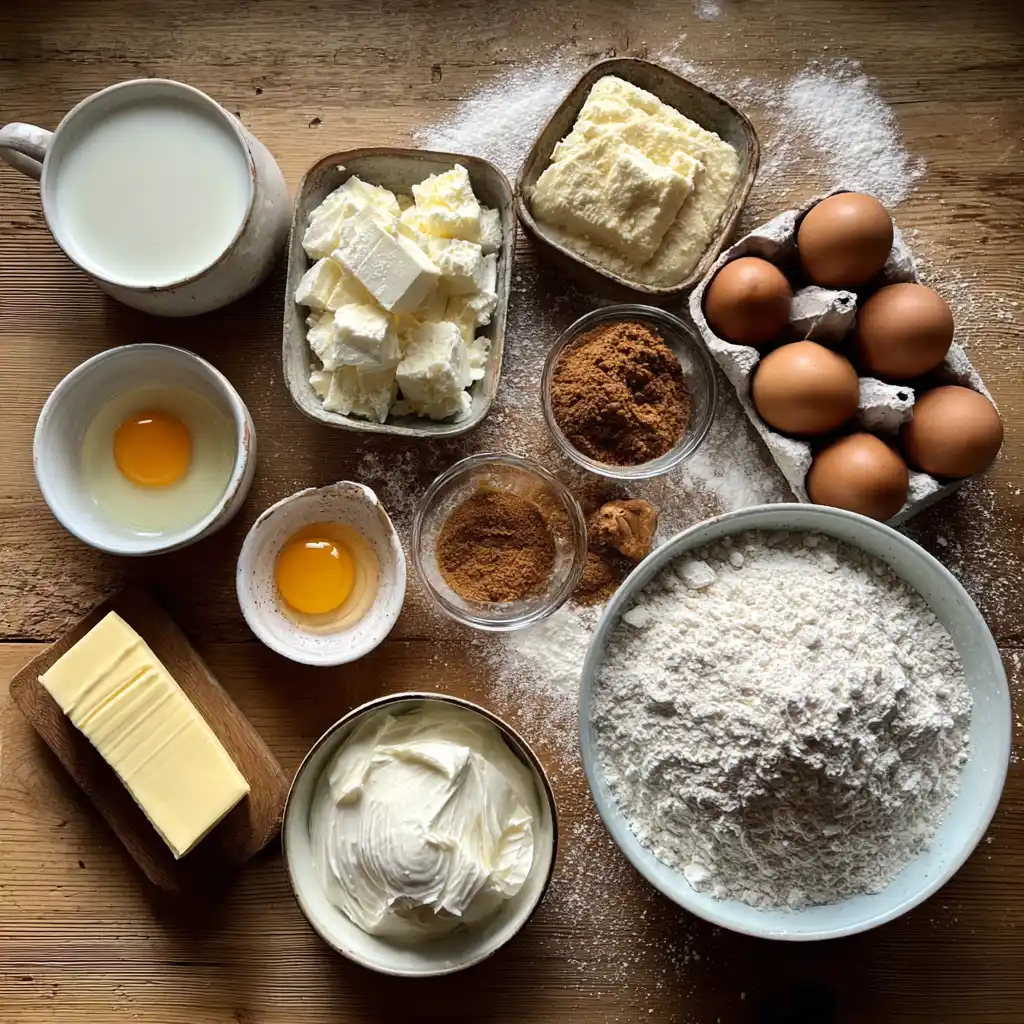
For the dough
- 1 cup whole milk
- 2¼ teaspoons active dry yeast (1 packet)
- ¼ cup granulated sugar, divided
- ¼ cup unsalted butter, melted and slightly cooled
- 1 large egg, room temperature
- 1 teaspoon vanilla extract
- 3½ cups all-purpose flour, plus more only if needed
- 1 teaspoon fine salt
For the filling
- ½ cup unsalted butter, softened
- ¾ cup packed light brown sugar
- 2 tablespoons ground cinnamon
- ⅛ teaspoon salt
For the frosting
- 4 ounces cream cheese, softened
- ¼ cup unsalted butter, softened
- 1 cup powdered sugar
- 1 teaspoon vanilla extract
- 1–2 tablespoons whole milk, as needed
Spoon flour into the cup and level it instead of packing it.
Slight tackiness is correct and helps create a tender crumb.
Filling butter should spread easily without running.
Cinnamon Roll Ingredient Notes
Whole milk
Whole milk gives the dough a rich, soft texture. Warm it to 105–110°F (40–43°C). It should feel comfortably warm, never hot, because excessive heat can damage the yeast.
Active dry yeast
Bloom the yeast in warm milk with a little sugar. After 5–10 minutes, bubbles or a light foamy layer confirm that it is active.
All-purpose flour
Start with 3½ cups. Cinnamon roll dough should be soft and slightly tacky. Too much extra flour is a common reason homemade rolls turn dense or dry.
Butter
Use unsalted butter for control over the seasoning. Dough butter should be melted but cool; filling butter should be soft enough to spread without being liquid.
Brown sugar & cinnamon
Light brown sugar creates a moist, caramel-like filling. Two tablespoons of fresh, aromatic cinnamon give a clear flavor without bitterness.
Cream cheese
Full-fat block-style cream cheese creates a thick, smooth frosting. Soften it with the butter before mixing to prevent lumps.
Easy Ingredient Substitutions
These simple swaps keep the method nearly unchanged while letting you work with what is already in your kitchen.
Milk
Use 2% milk if needed. The rolls may taste slightly less rich but should still bake successfully.
Yeast & sugar
Use the same 2¼ teaspoons instant yeast, mixed with the dry ingredients. Dark brown sugar gives the filling deeper molasses notes.
Frosting
For a simple glaze, combine powdered sugar with milk and vanilla until smooth and drizzle over warm rolls.
How to Make Cinnamon Rolls
Break the recipe into clear stages: activate the yeast, mix and knead, complete the first rise, add the filling, shape the rolls, proof again, bake and frost.
Warm the milk and activate the yeast
Warm 1 cup whole milk to approximately 105–110°F (40–43°C). Pour it into a large bowl, add the 2¼ teaspoons active dry yeast and 1 tablespoon of the measured sugar, then stir gently.
Wait 5–10 minutes. You should see foam or bubbles. If the surface stays completely flat, the yeast may be old or the milk may have been outside the ideal temperature range.
Add the wet ingredients, flour and salt
Whisk the remaining granulated sugar, melted and slightly cooled butter, egg and vanilla into the yeast mixture. Add 3½ cups flour and 1 teaspoon salt. Mix with a wooden spoon until a shaggy, slightly sticky dough forms.
Knead until smooth and elastic
Knead on a lightly floured surface for 8–10 minutes. Push the dough away with the heel of your hand, fold it back, rotate and repeat. It should become smoother, elastic and less sticky while remaining slightly tacky.
If it is genuinely impossible to handle, add flour only 1 tablespoon at a time. With a stand mixer, use the dough hook on low to medium-low for 6–8 minutes.
Let the dough complete its first rise
Place the dough in a lightly greased bowl, turn once to coat, cover and leave in a warm, draft-free place for approximately 60–90 minutes. It should become puffy and roughly double in volume.
Temperature matters more than the timer. A cool kitchen simply requires a longer rise.
Prepare the cinnamon filling
Mix ¾ cup packed light brown sugar, 2 tablespoons cinnamon and ⅛ teaspoon salt in a small bowl. Keep the ½ cup softened butter separate so you can spread it evenly over the dough.
Roll out and fill the dough
Gently deflate the risen dough and roll it into a rectangle approximately 14 × 18 inches. Spread the softened butter over the surface, leaving about ½ inch uncovered along one long edge.
Sprinkle the cinnamon-brown sugar mixture evenly over the butter, covering the filled surface from edge to edge.
Roll the log and cut 12 pieces
Starting from the filled long edge, roll the dough firmly toward the uncovered border. Do not squeeze it. Pinch the seam gently and position the log seam-side down.
Divide the log into 12 equal rolls with a sharp serrated knife or unflavored dental floss. Cutting the log in half, then cutting each half into six, helps keep the portions even.
Arrange and proof again
Place the rolls cut-side up in a lightly greased 9 × 13-inch baking dish. Cover loosely and rise for 30–45 minutes, until they look noticeably softer and puffier and the spaces between them begin to close.
Bake until lightly golden
Preheat the oven fully to 350°F (175°C). Bake on the center rack for 22–27 minutes. The tops should be lightly golden, the centers set rather than wet and the edges only lightly browned.
If the tops color too quickly, loosely cover the dish with foil for the final few minutes. Avoid deep browning, which usually means the rolls are overbaked.
Mix the frosting and finish
Cool the rolls for 10–15 minutes. Beat the softened cream cheese and butter until smooth, then add the powdered sugar, vanilla and 1 tablespoon milk. Beat until creamy, adding the second tablespoon of milk only if needed.
Spread the frosting over the warm rolls. They should be warm enough to soften it slightly, but not hot enough to turn it into a thin liquid.
Tips for the Best Cinnamon Rolls
Small temperature, texture and timing choices make the difference between tender rolls and a dry or dense batch.
Comfortably warm milk wakes up the yeast without overheating it.
Start with 3½ cups and add more only by the tablespoon when necessary.
A small piece should stretch thinly before tearing when the gluten is developed.
Wait for doubled dough and puffy shaped rolls, even if your kitchen is cool.
Melted butter escapes more easily and makes the layers uneven.
Remove the rolls once lightly golden and set through the center.
Common Cinnamon Roll Problems
Dough did not rise
Check the yeast date, milk temperature and room temperature. If the yeast foamed, the dough may simply need more time.
Rolls are dense
Too much flour, insufficient kneading, a short rise or overbaking can all produce heavy rolls.
Filling leaked out
A little is normal. Excess leakage often comes from melted butter or a loosely shaped log.
Spirals unraveled
Roll firmly, pinch the final edge and place the rolls close enough to support each other as they expand.
Centers are doughy
Cover browned tops loosely with foil and continue baking until the center rolls are set.
Frosting turned runny
Let the rolls cool 10–15 minutes and add milk gradually so the frosting stays spreadable.
Easy Cinnamon Roll Variations
Pecan
Sprinkle about ½ cup toasted chopped pecans over the cinnamon filling before rolling.
Apple
Add 1 cup finely diced firm apple. Keep the pieces small and avoid very juicy fruit.
Maple
Replace part of the frosting milk with 1 tablespoon pure maple syrup, then adjust the consistency.
Orange
Add finely grated orange zest to the filling and a little more to the frosting.
Vanilla glaze
Whisk 1 cup powdered sugar, 1–2 tablespoons milk and ½ teaspoon vanilla.
Dark brown sugar
Use dark brown sugar for a deeper, more pronounced molasses flavor.
Vanilla bean
Replace vanilla extract with the same amount of vanilla bean paste in the dough or frosting.
Less frosting
Spread a thin layer on each warm roll or leave part of the batch unfrosted.
What to Serve With Cinnamon Rolls
Cinnamon rolls are best served slightly warm, while the dough is tender and the frosting is soft. Because they are rich and sweet, fresh fruit or a savory breakfast side creates a pleasant contrast.
Fresh fruit
Berries, bananas, sliced citrus or a simple fresh fruit salad.
Savory balance
Scrambled eggs or another simple egg dish adds satisfying protein.
Breakfast drinks
Coffee, tea or cold milk all pair naturally with warm cinnamon.
Make-Ahead Cinnamon Rolls
For overnight cinnamon rolls, prepare the recipe through the shaping stage. Arrange the 12 rolls in the greased baking dish, cover tightly and refrigerate for approximately 8–16 hours.
Shape
Cut and arrange all 12 rolls in the prepared baking dish.
Chill
Cover tightly and refrigerate overnight for 8–16 hours.
Warm up
Let the covered rolls stand 45–90 minutes, until noticeably puffy.
Bake
Bake at 350°F for 22–27 minutes, then cool briefly and frost.
The cream cheese frosting can be prepared up to 2 days ahead and refrigerated in a covered container. Let it soften briefly, then beat or stir until smooth before using.
How to Store and Reheat Cinnamon Rolls
| Frosted rolls | Cover and refrigerate for approximately 3–4 days |
|---|---|
| Best freezer method | Freeze baked rolls before adding frosting |
| Freezer quality | Up to about 2 months when wrapped well |
| Microwave reheating | 15–25 seconds for one roll |
| Oven reheating | 300°F for approximately 8–10 minutes |
Cool unfrosted rolls completely before freezing. Wrap individual rolls tightly and place them in a freezer-safe container. Thaw fully, warm gently and add fresh frosting before serving.
Estimated Nutrition Information
The following values are broad estimates per cinnamon roll when the recipe is divided into 12 servings. Actual nutrition changes with the exact brands, flour measurement, frosting quantity and portion size, so these estimates are intentionally not included in the structured data.
| Calories | Approximately 400–450 |
|---|---|
| Carbohydrates | Approximately 55–60 g |
| Protein | Approximately 6–7 g |
| Fat | Approximately 18–22 g |
| Saturated fat | Approximately 11–13 g |
| Sugar | Approximately 28–32 g |
| Sodium | Approximately 200–250 mg |
More Breakfast and Cinnamon Recipes
Homemade Cinnamon Rolls FAQ
Can I make cinnamon rolls the night before?
Yes. Shape the rolls, arrange them in the baking dish, cover and refrigerate for 8–16 hours. The next morning, let them stand at room temperature for 45–90 minutes, until puffy, before baking at 350°F.
Why are my cinnamon rolls not fluffy?
The most common causes are too much flour, insufficient kneading, too little rising time or overbaking. Keep the dough soft and slightly tacky and let it rise according to volume rather than the clock alone.
Can I use instant yeast instead of active dry yeast?
Yes. Use the same 2¼ teaspoons. Instant yeast can normally be mixed directly with the flour, while active dry yeast is first dissolved in the warm milk.
Can I make cinnamon rolls without a stand mixer?
Absolutely. Mix the dough with a wooden spoon until it comes together, then knead on a lightly floured surface for approximately 8–10 minutes.
How do I know when the cinnamon rolls have risen enough?
After the first rise, the dough should be approximately doubled. After shaping, the rolls should look larger, soft and puffy, with the spaces between them beginning to close.
Why did my cinnamon roll filling leak into the pan?
A small amount of butter and cinnamon sugar underneath the rolls is normal. Too much leakage can happen when the filling butter was melted rather than softened or the dough was rolled very loosely.
Can I freeze homemade cinnamon rolls?
Yes. For an easy method, cool baked, unfrosted rolls completely, wrap them well and freeze for up to about 2 months for best quality. Thaw, warm and frost before serving.
Can I make these without cream cheese frosting?
Yes. Whisk 1 cup powdered sugar with 1–2 tablespoons milk and ½ teaspoon vanilla for a simple glaze, or serve the cinnamon rolls plain.
Ready to Bake a Soft, Fluffy Batch?
Keep the dough slightly tacky, let both rises finish and pull the rolls from the oven while the tops are still lightly golden.
Start with the ingredients