Introduction to Parker House Rolls
There is just nothing like the smell of fresh bread baking, is there? It instantly transforms your kitchen into the warmest, coziest space imaginable, If you’re anything like me, you crave that homemade warmth but often feel squeezed for time.
That is precisely why I fell head over heels for this recipe for the fluffiest, most tender Parker House Rolls, Trust me, these aren’t those dry, crumbly things you sometimes find at the store, These classic American dinner rolls are pillowy soft, delightfully buttery, and boast that signature fold that just screams elegance.
They are the perfect solution for a busy weeknight meal or a stunning addition to your holiday table, I promise, making amazing Parker House Rolls from scratch is totally doable, even on your busiest days, Let’s bake some magic together!
PrintParker House Rolls: Bake Fluffiest Rolls Now!
- Total Time: Approx. 3 hours (including rising time)
- Yield: 18-24 rolls
- Diet: Vegetarian
Description
This recipe yields incredibly fluffy and buttery Parker House Rolls, a classic American dinner roll known for its signature fold and soft texture.
Ingredients
- 1 cup milk (whole milk preferred)
- 1/4 cup unsalted butter (plus more for brushing)
- 1/4 cup granulated sugar
- 1 teaspoon salt
- 1 packet (2 1/4 teaspoons) active dry yeast
- 1/2 cup warm water (105°F to 115°F)
- 1 large egg
- 3 1/2 to 4 cups all-purpose flour (plus more for dusting)
Instructions
- Heat the milk, 1/4 cup butter, sugar, and salt in a small saucepan over medium heat until the butter is melted and the mixture is warm (about 120°F). Remove from heat and set aside.
- In a large bowl or the bowl of a stand mixer, dissolve the yeast in the warm water. Let stand for 5-10 minutes until foamy.
- Pour the warm milk mixture into the yeast mixture. Add the egg and gradually mix in the flour, starting with 3 1/2 cups. Mix until a shaggy dough forms.
- If using a stand mixer, switch to the dough hook and knead on low speed for 6-8 minutes, adding more flour if necessary, until the dough is smooth and elastic. If kneading by hand, turn the dough out onto a lightly floured surface and knead for 8-10 minutes.
- Lightly grease a large bowl. Place the dough in the bowl, turning to coat. Cover with plastic wrap or a clean kitchen towel and let rise in a warm place for 1 to 1 1/2 hours, or until doubled in size.
- Punch down the risen dough and turn it out onto a lightly floured surface. Roll the dough into a rectangle about 1/2 inch thick.
- Using a biscuit cutter (about 2-3 inches in diameter), cut out rounds. Brush half of each round with melted butter.
- Fold the unbuttered half over the buttered half, pressing lightly along the edge to seal.
- Arrange the folded rolls snugly in a lightly greased 9×13 inch baking pan.
- Cover the pan and let the rolls rise again in a warm place for 30-45 minutes, or until puffy.
- Preheat oven to 375°F (190°C).
- Bake for 15-20 minutes, or until the rolls are golden brown.
- While still warm, brush the tops of the rolls generously with additional melted butter. Serve immediately.
Notes
- Using whole milk and quality butter contributes significantly to the richness and flavor of the rolls.
- Ensure your yeast is active by checking if the water is within the specified temperature range (105°F to 115°F).
- If you prefer smaller or larger rolls, adjust the size of the biscuit cutter accordingly.
- These rolls are best served warm, shortly after baking. Leftovers can be stored in an airtight container for up to 3 days and reheated.
- Prep Time: 45 minutes
- Cook Time: 15-20 minutes
- Category: Bread/Dinner Roll
- Method: Baking
- Cuisine: American
The History and Charm of the Classic Dinner Roll
Every great recipe has a story, and the Parker House Rolls are no exception.
Picture this: it’s the 1870s in Boston, specifically at the famous Parker House Hotel.
Legend says that a disgruntled pastry cook, in a fit of pique, threw unfinished rolls into the oven.
Because they had been folded, they ended up with that distinct shape we recognize today!
Whether that story is true or not, these rolls quickly became a sensation.
They are known for their rich, buttery flavor and incredibly soft crumb, which comes from using plenty of whole milk and butter.
I feel like I am baking a piece of history whenever I pull a tray of these golden beauties from the oven.
This charm is why they remain a favorite for special occasions and everyday suppers alike.
Why You’ll Love This Recipe for Parker House Rolls
I know what you’re thinking: another bread recipe that takes forever?
Nope! This method for Parker House Rolls is a game-changer for women like us.
It’s forgiving, the dough is simple to handle, and the payoff is huge.
You get that amazing, melt-in-your-mouth texture without the stress of an overly complicated process.
These rolls are the definition of comfort food—fluffy, slightly sweet, and unbelievably buttery.
They’re the perfect way to bring a little bit of homemade luxury to your dinner table.
Achieving Bakery-Quality Fluffiness at Home
The secret to truly glorious Parker House Rolls is the texture.
We are aiming for that cloud-like fluffiness, not a dense brick!
I’ve tweaked this recipe over the years to ensure maximum tenderness.
Using quality ingredients, especially whole milk, makes a world of difference.
The high fat content tenderizes the dough, giving us that signature soft crumb.
Plus, the double rise gives the yeast plenty of time to work its magic.
The result is a light, airy roll that practically floats off the plate.
Your family will genuinely think you stopped by a fancy bakery!
A Perfect Fit for Busy Schedules
As a busy mom and professional, I need recipes that work around my life, not against it.
The great thing about these Parker House Rolls is their flexibility.
While the total time includes rising, most of that is hands-off time.
You can mix the dough in the morning, let it rise while you are at work, and shape it in the evening.
You can even prepare the dough the day before and let it chill overnight in the fridge.
This slow fermentation deepens the flavor and makes the process stress-free.
It’s all about fitting warm, homemade goodness into your demanding schedule.
Truly, these buttery yeast rolls are built for real life.
Essential Ingredients for Parker House Rolls
Baking is truly a science, but don’t let that intimidate you!
The beauty of these Parker House Rolls lies in their simplicity.
You probably have most of these ingredients in your pantry right now.
I always recommend using the best quality ingredients you can afford; it truly elevates the final taste.
This list covers the essentials you’ll need to create these fluffy rolls.
You can find the exact quantities for everything listed here in the printable recipe card below.
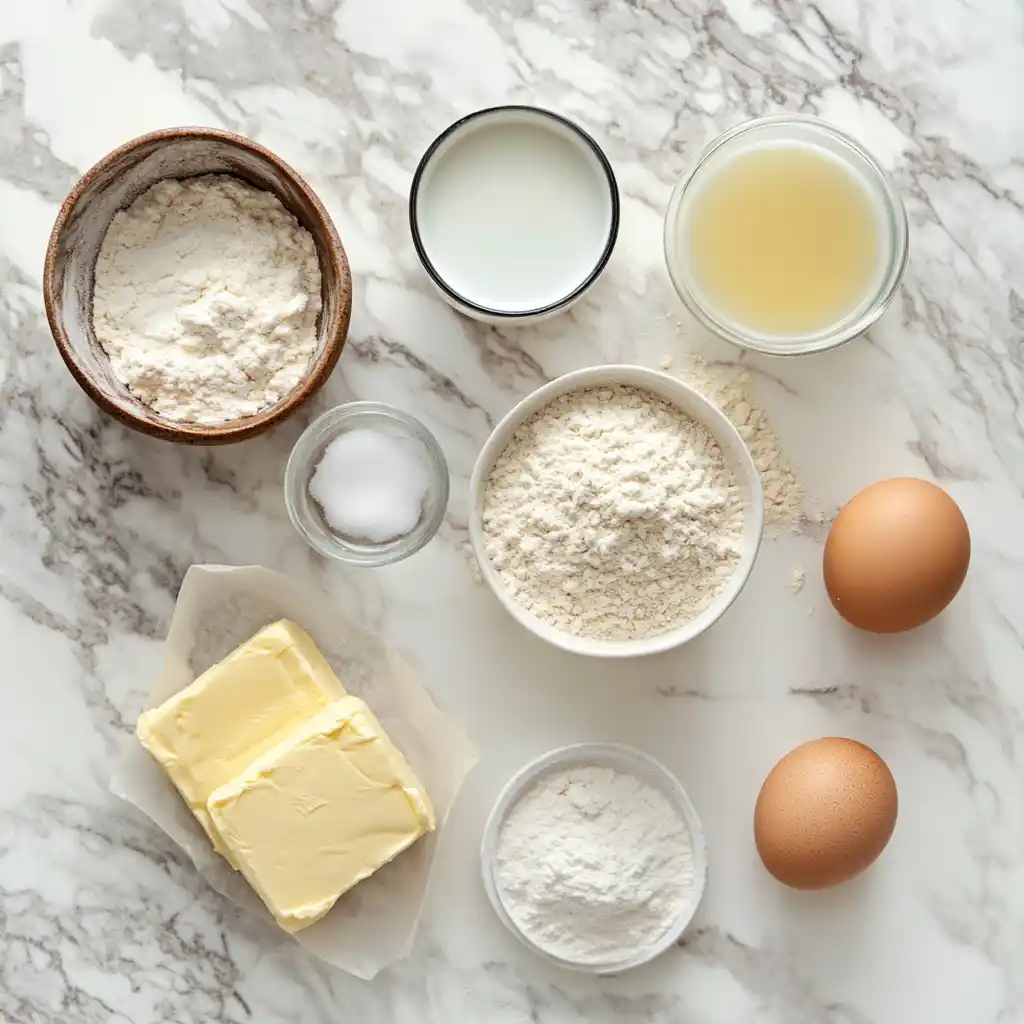
Dairy and Fats: The Secret to Buttery Flavor
The flavor profile of these dinner rolls hinges on the dairy.
You will need whole milk to give the rolls their rich, soft texture.
I wouldn’t recommend swapping it for skim milk if you can help it.
Unsalted butter is also crucial for that classic, unmistakable buttery flavor.
We use butter in the dough, for brushing the rolls before folding, and again after baking.
Seriously, it’s the butter that makes these Parker House Rolls sing!
A large egg adds richness and helps bind the dough, giving it a beautiful color.
Yeast and Flour: Building the Perfect Dough Structure
These fluffy rolls require a little lift, which comes from active dry yeast.
Warm water is necessary to wake up the yeast; think of it as a little wake-up call!
This step ensures your dough rises like a dream.
Granulated sugar is needed, too, not just for sweetness but also to feed the hungry yeast.
All-purpose flour is the backbone of the dough structure.
Make sure to measure your flour correctly to avoid dry, heavy rolls.
Finally, a little salt balances the sweetness and enhances all the flavors.
Optional Ingredients and Flavor Boosters
Sometimes, I like to jazz up my classic Parker House Rolls just a bit.
You could add a pinch of nutmeg to the dough for a subtle warmth.
For savory rolls, try mixing in a teaspoon of dried herbs like thyme or rosemary.
If you prefer a richer golden hue, consider adding a touch of egg yolk to your milk mixture.
These buttery yeast rolls are delicious plain, but these little additions can be fun!
It’s all about making the recipe your own, isn’t it?
How to Make Parker House Rolls
Okay, let’s get our hands floury and start baking!
Making these fluffy rolls is genuinely rewarding, I promise.
I’ve broken down the process into simple, manageable steps for you.
Remember, breadmaking requires a little patience, but the result is absolutely worth waiting for.
Follow along, and soon you’ll have perfect, buttery Parker House Rolls.
These instructions will guide you to light and airy homemade bread every single time.
Activating the Yeast and Warming the Milk
First, we need to wake up our yeast.
Pour the warm water into a large mixing bowl or your stand mixer bowl.
Sprinkle the active dry yeast over the water and let it sit.
You want to see a nice foam after about five to ten minutes.
Meanwhile, gently heat the milk, butter, sugar, and salt in a small saucepan.
The goal is to melt the butter and warm the mixture.
Make sure it’s warm, but not scalding hot, or it will kill the yeast.
A temperature around 120°F is just right for happy yeast.
Mixing and Kneading the Dough for Smooth Parker House Rolls
Once the yeast is foamy, pour in the warm milk mixture.
Whisk in the egg until everything is combined.
Now, start adding the all-purpose flour gradually, about a cup at a time.
Mix everything until a shaggy, slightly sticky dough forms.
I use a stand mixer with the dough hook; it’s a lifesaver for kneading!
Knead for six to eight minutes until the dough looks smooth and elastic.
If you are kneading by hand, it might take closer to ten minutes.
The dough should pass the “windowpane test,” meaning it stretches thin without tearing.
This kneading process is essential for achieving those light, buttery rolls.
The First Rise: Patience is Key to Fluffy Rolls
Lightly grease a clean bowl with a little oil or cooking spray.
Place your beautiful, smooth dough inside, turning it over to coat.
Cover the bowl with plastic wrap or a clean kitchen towel.
Now, find a cozy, warm spot for the dough to relax.
I often put mine near a sunny window or in a slightly warm oven that’s turned off.
Let it rise for about an hour to an hour and a half.
The dough should double in size, looking puffy and happy.
This slow fermentation develops the best flavor in your Parker House Rolls.
Shaping the Signature Fold of Parker House Rolls
Gently punch down the risen dough to release the air.
Turn it out onto a lightly floured surface; don’t add too much flour here.
Roll the dough out into a rectangle about half an inch thick.
Use a round biscuit cutter, about two or three inches wide, to cut out the rounds.
Next comes the fun part: the classic fold.
Melt some extra butter and brush half of each round generously.
Fold the unbuttered side over the buttered side, creating that iconic shape.
Arrange these folded rolls snugly in a greased 9×13 inch baking dish.
The close placement helps them rise up rather than spread out.
The Second Rise (Proofing)
Cover the pan of rolls loosely with plastic wrap or a towel.
We need to let these dinner rolls have their final beauty rest.
Allow them to rise again for 30 to 45 minutes.
They should look noticeably puffy and ready for the oven.
This second rise, or proofing, ensures those airy, light textures.
While they proof, preheat your oven to 375°F.
Baking Your Golden-Brown Parker House Rolls
Once the oven is hot and the rolls are puffy, it’s baking time!
Place the pan in the preheated oven.
Bake the rolls for about 15 to 20 minutes.
They are done when they are a beautiful golden brown color.
The aroma filling your kitchen right now is simply divine.
These homemade bread beauties are almost ready to enjoy!
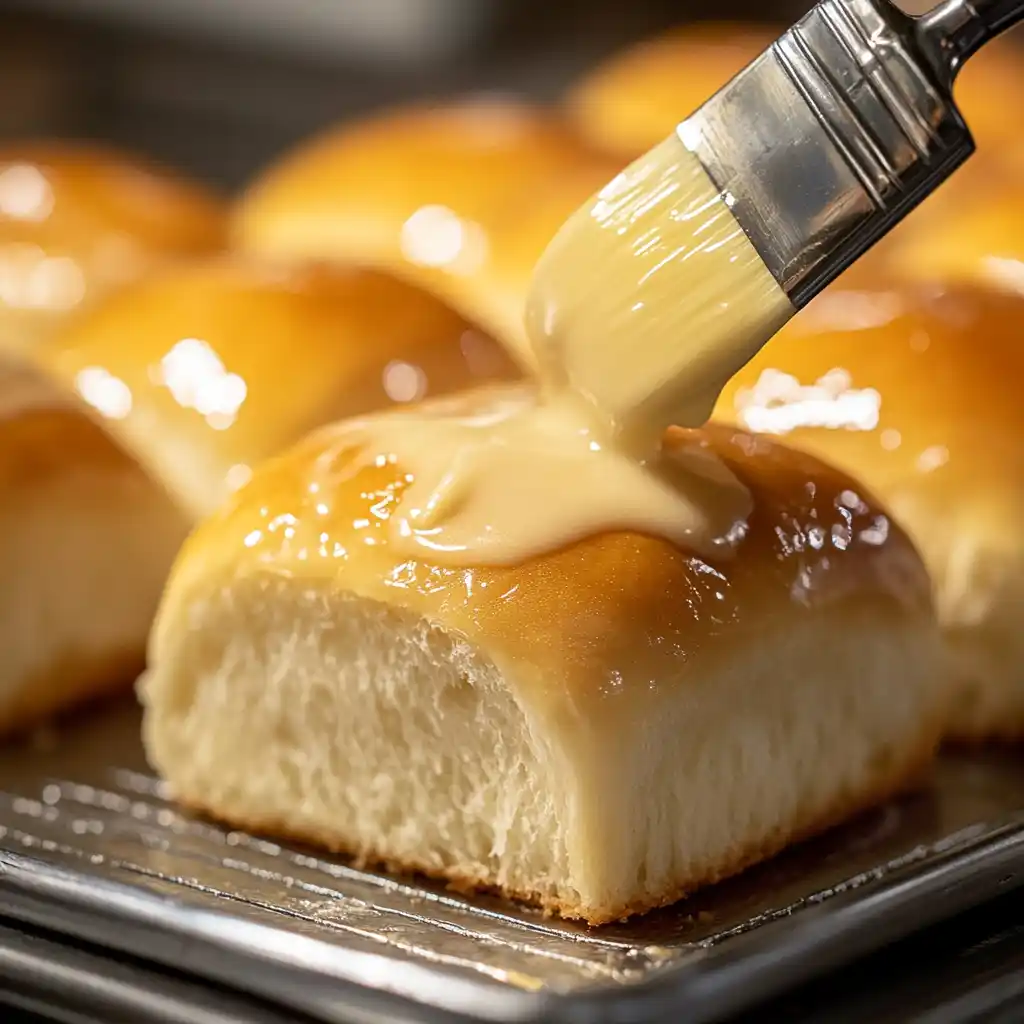
The Final Butter Brush
This last step is non-negotiable for truly buttery rolls.
As soon as you pull the golden-brown rolls from the oven, melt more butter.
Brush the tops of the warm Parker House Rolls generously.
The melted butter soaks into the warm crust, adding richness and shine.
It creates the softest exterior and that ultimate buttery finish.
Serve them immediately, while they are still wonderfully warm.
These fluffy rolls are truly irresistible fresh out of the oven.
Tips for Success
Baking bread is such an adventure, but sometimes things don’t go exactly to plan.
Don’t worry, I have gathered my best little nuggets of wisdom for you.
These tips will help you navigate any tricky spots and ensure your Parker House Rolls turn out perfectly.
Remember, even experienced bakers learn something new every time they get in the kitchen!
Ensuring a Perfect Rise
- Always check your yeast’s expiration date; old yeast simply won’t work its magic.
- Use a thermometer to ensure your water and milk mixture is between 105°F and 115°F.
- A slightly warm, draft-free spot is crucial for the dough to double in size.
- If your house is cold, try placing the covered bowl inside a cold oven with just the light on.
- Give your dough the full time suggested for rising; rushing leads to dense rolls.
Troubleshooting Your Dough
- If your dough feels too dry, add a teaspoon of milk at a time during kneading.
- If the dough is too sticky, incorporate flour one tablespoon at a time until it’s smooth.
- Kneading is essential for beautiful, fluffy rolls; don’t skip this step!
- The dough should be tacky but easily pull away from the side of the bowl when kneaded correctly.
- If your rolls look pale, cover them loosely with foil and bake for a few more minutes.
Essential Equipment Needed for Parker House Rolls
You don’t need a professional kitchen setup to make these incredible dinner rolls.
However, having the right tools definitely makes the process easier and more enjoyable.
These are the items I rely on whenever I bake these buttery yeast rolls.
Must-Have Baking Tools
- A sturdy stand mixer with a dough hook saves your arms from endless kneading.
- A 9×13 inch baking dish is ideal for arranging the rolls snugly.
- A round biscuit cutter, about 2-3 inches, creates the perfect roll size.
- A reliable kitchen thermometer ensures your liquids are the correct temperature for the yeast.
Alternatives for Dough Preparation
- No stand mixer? Kneading by hand works beautifully; just allow extra time.
- If you lack a biscuit cutter, use the rim of a drinking glass or a jar lid instead.
- You can use a rolling pin or even a clean wine bottle to roll out the dough.
- A large bowl covered with plastic wrap works just as well as a proofing basket.
Variations for Parker House Rolls
One of the best things about homemade bread is how easily you can customize it.
These Parker House Rolls are a fantastic base for all sorts of flavor experiments.
I love changing them up depending on what meal I’m serving.
Savory Herb and Garlic Rolls
- Mix 1 tablespoon of dried Italian seasoning and 1 teaspoon of garlic powder into the flour mixture.
- Brush the baked rolls with garlic butter instead of plain melted butter.
- Sprinkle the tops with coarse sea salt right before baking for an extra crunch.
Whole Wheat and Gluten-Free Adaptations
- For a heartier roll, substitute up to 1 cup of the all-purpose flour with whole wheat flour.
- Note that whole wheat flour usually requires a little extra liquid, so watch the dough consistency.
- For a gluten-free version, use a reliable 1:1 gluten-free baking blend that includes xanthan gum.
- Gluten-free dough tends to be stickier; handle it gently when shaping.
Sweet Rolls (Cinnamon Sugar Option)
- Before the second rise, brush the rolled and cut dough with melted butter.
- Sprinkle generously with a mix of cinnamon and sugar before folding.
- Drizzle the warm, baked rolls with a simple powdered sugar glaze for an extra treat.
Serving Suggestions for Parker House Rolls
These fluffy rolls are versatile enough for almost any meal.
They truly elevate a simple weeknight dinner or make a holiday spread feel luxurious.
I always make extra because they disappear so quickly!
Pairing with Weeknight Meals
- Serve them alongside a hearty bowl of chili or a comforting soup.
- They are perfect for sopping up gravy from pot roast or chicken dishes.
- Use them as incredibly soft sliders for pulled pork or shredded chicken.
Holiday Dinner Presentation
- Arrange the Parker House Rolls in a beautiful basket lined with a linen napkin.
- Offer a compound butter, like honey butter or cranberry butter, for spreading.
- The golden-brown color and buttery scent make them the centerpiece of any holiday table.
FAQs about Parker House Rolls
I often get asked specific questions about making these homemade bread rolls.
It’s nice to know we are all facing similar culinary hurdles!
Here are the answers to some of the most common questions about these buttery yeast rolls.
Can I Prepare the Dough for Parker House Rolls Ahead of Time?
Absolutely, and I highly recommend it for busy schedules!
After the initial kneading and first rise, punch the dough down.
Place it in an oiled bowl, cover it tightly, and refrigerate it for up to 24 hours.
The cold environment slows the yeast, deepening the flavor of the Parker House Rolls.
When you are ready to bake, pull the dough out and let it warm up for about 30 minutes before shaping.
What is the Best Way to Store and Reheat Leftover Dinner Rolls?
Store any leftover dinner rolls in an airtight container at room temperature for up to three days.
To reheat them, wrap the rolls loosely in foil and bake them at 350°F for about 5 to 7 minutes.
You can also microwave them for about 15 seconds, but they are best when warmed in the oven.
A quick brush with a little extra melted butter before reheating makes them taste fresh again.
Why are my Parker House Rolls not rising?
There are usually two main culprits when homemade bread fails to rise.
First, your yeast might be old or the water temperature was too hot, which kills the yeast.
Second, your rising environment might be too cold or drafty.
Make sure your liquids are warm, not scalding, and find a cozy spot for the dough.
Patience helps; sometimes dough just needs a little extra time to get puffy.
Final Thoughts
I truly hope this recipe inspires you to dive into the wonderful world of yeast bread.
There is such profound satisfaction in creating something this delicious and comforting from scratch.
These fluffy Parker House Rolls are more than just a side dish; they are a gesture of love.
They remind us that even amidst the chaos of life, we can find time for simple, buttery pleasures.
Go ahead, fill your home with that incredible aroma and share these beautiful rolls with those you love.
Bringing Warmth to Your Table with Homemade Bread
Every time I bake these golden little puffs, I feel a connection to those classic bakers of the past.
These dinner rolls are a timeless tradition, perfected for your modern kitchen.
I know you will cherish the warmth and comfort they bring to your table.
Happy baking, my friends!
Essential Equipment Needed for Parker House Rolls
You don’t need a professional kitchen setup to make these incredible dinner rolls.
However, having the right tools definitely makes the process easier and more enjoyable.
These are the items I rely on whenever I bake these buttery yeast rolls.
Must-Have Baking Tools
- A sturdy stand mixer with a dough hook saves your arms from endless kneading.
- A 9×13 inch baking dish is ideal for arranging the rolls snugly.
- A round biscuit cutter, about 2-3 inches, creates the perfect roll size.
- A reliable kitchen thermometer ensures your liquids are the correct temperature for the yeast.
Alternatives for Dough Preparation
- No stand mixer? Kneading by hand works beautifully; just allow extra time.
- If you lack a biscuit cutter, use the rim of a drinking glass or a jar lid instead.
- You can use a rolling pin or even a clean wine bottle to roll out the dough.
- A large bowl covered with plastic wrap works just as well as a proofing basket.
Variations for Parker House Rolls
One of the best things about homemade bread is how easily you can customize it.
These Parker House Rolls are a fantastic base for all sorts of flavor experiments.
I love changing them up depending on what meal I’m serving.
Savory Herb and Garlic Rolls
- Mix 1 tablespoon of dried Italian seasoning and 1 teaspoon of garlic powder into the flour mixture.
- Brush the baked rolls with garlic butter instead of plain melted butter.
- Sprinkle the tops with coarse sea salt right before baking for an extra crunch.
Whole Wheat and Gluten-Free Adaptations
- For a heartier roll, substitute up to 1 cup of the all-purpose flour with whole wheat flour.
- Note that whole wheat flour usually requires a little extra liquid, so watch the dough consistency.
- For a gluten-free version, use a reliable 1:1 gluten-free baking blend that includes xanthan gum.
- Gluten-free dough tends to be stickier; handle it gently when shaping.
Sweet Rolls (Cinnamon Sugar Option)
- Before the second rise, brush the rolled and cut dough with melted butter.
- Sprinkle generously with a mix of cinnamon and sugar before folding.
- Drizzle the warm, baked rolls with a simple powdered sugar glaze for an extra treat.
Serving Suggestions for Parker House Rolls
These fluffy rolls are versatile enough for almost any meal.
They truly elevate a simple weeknight dinner or make a holiday spread feel luxurious.
I always make extra because these buttery yeast rolls disappear so quickly!
Pairing with Weeknight Meals
- Serve them alongside a hearty bowl of chili or a comforting soup.
- They are perfect for sopping up gravy from pot roast or chicken dishes.
- Use them as incredibly soft sliders for pulled pork or shredded chicken.
Holiday Dinner Presentation
- Arrange the Parker House Rolls in a beautiful basket lined with a linen napkin.
- Offer a compound butter, like honey butter or cranberry butter, for spreading.
- The golden-brown color and buttery scent make them the centerpiece of any holiday table.
FAQs about Parker House Rolls
I often get asked specific questions about making these homemade bread rolls.
It’s nice to know we are all facing similar culinary hurdles!
Here are the answers to some of the most common questions about these buttery yeast rolls.
Can I Prepare the Dough for Parker House Rolls Ahead of Time?
Absolutely, and I highly recommend it for busy schedules!
After the initial kneading and first rise, punch the dough down gently.
Place it in an oiled bowl, cover it tightly, and refrigerate it for up to 24 hours.
The cold environment slows the yeast, which deepens the flavor of the Parker House Rolls.
When you are ready to bake, pull the dough out and let it warm up for about 30 minutes before shaping.
What is the Best Way to Store and Reheat Leftover Dinner Rolls?
Store any leftover dinner rolls in an airtight container at room temperature for up to three days.
I find they lose their initial magic quickly, so reheating is key.
To reheat them, wrap the rolls loosely in foil and bake them at 350°F for about five to seven minutes.
You can also microwave them for about 15 seconds, but the texture is best when warmed in the oven.
A quick brush with a little extra melted butter before reheating makes them taste fresh again.
Why are my Parker House Rolls not rising?
There are usually two main culprits when homemade bread fails to rise beautifully.
First, your yeast might be old or the water temperature was too hot, which kills the yeast instantly.
Second, your rising environment might be too cold or drafty, slowing everything down.
Make sure your liquids are warm, not scalding, and find a cozy, draft-free spot for the dough.
Patience helps too; sometimes dough just needs a little extra time to get puffy and light.
These fluffy rolls need warmth to reach their full potential.
Final Thoughts
I truly hope this recipe inspires you to dive into the wonderful world of yeast bread.
There is such profound satisfaction in creating something this delicious and comforting from scratch.
These fluffy Parker House Rolls are more than just a side dish; they are a genuine gesture of love.
They remind us that even amidst the chaos of life, we can find time for simple, buttery pleasures.
Go ahead, fill your home with that incredible aroma and share these beautiful rolls with those you love.
There is nothing quite like pulling these golden puffs from your own oven.
Bringing Warmth to Your Table with Homemade Bread
Every time I bake these golden little puffs, I feel a connection to those classic bakers of the past.
These buttery yeast rolls are a timeless tradition, perfected for your modern, busy kitchen.
I know you will cherish the warmth and comfort they bring to your family gatherings.
The joy of sharing soft, homemade Parker House Rolls is simply unmatched.
Happy baking, my friends; may your table always be full of warmth!